


SEO Content Writing vs SEO Copywriting

To rank higher in the search results creating valuable and informative content is essential. Optimising the content using SEO techniques is also important. Content writing in SEO involves creating content to rank higher in the search results and drive more traffic. Creating content to persuade consumers to buy your products or services requires SEO copywriting. SEO copywriting involves adding a Call-To-Action (CTA) to the content. There is a difference between content writing and copywriting. In this article, you will learn about SEO content writing and SEO copywriting and which is better for your business.
What is content writing in SEO?
Creating high-quality and optimised content is important for ranking higher in the search results. SEO content creation involves creating content around the relevant keywords that a website wants to rank for. When the user types in a search query then your website can appear in the search results for the relevant keyword.
It involves creating content and optimising it for the primary keyword. The SEO content types are blogs, articles, infographics, videos, slideshows and more. Through your content, you can offer a solution to the problems that your target audience may face. When they trust you to offer the right solutions they may even buy your products or services. The content will help you rank higher in the search results but the consumer need not make a purchase.
What is SEO copywriting?
SEO copywriting involves creating content to attract the attention of the readers. It includes using eye-catching headlines followed by irresistible product offers. The content is made captivating to evoke emotion, inspire the reader’s imagination and create a desire for a product.
The content should include how the product can benefit the users, features of a product and possible reasons to justify a purchase. The users should be able to swipe their credit cards, call toll-free numbers, and use a few buttons to purchase the product.
Even if you create a good copy, it will not rank higher in the search engines until it is optimised using SEO techniques. Google must crawl and index your page for it to rank in the search results and reach your potential customers. Your products will not exist if they are not found by the users.
Key differences between content writing vs copywriting
SEO Content writing and copywriting may sound similar but they are different. In SEO, the main differences between content writing and copywriting are as follows:
- Content writing involves creating content to inform or educate users mostly through blogs, social media posts, ebooks, case studies and more. The content contains links to other related pages and inbound links.
Copywriting involves creating content to generate leads and sales like PPC ads, landing page copy, product descriptions and more. The content includes appropriate Call-To-Action. - Content writing involves creating long-form content between 500 - 2000 words. The main purpose is to rank higher in the search results.
Copywriting involves creating concise, short and persuasive content to get conversions. - Content writing helps to create content to improve a website’s rankings in the search results for a specific keyword.
Copywriting involves creating content that helps to create a desire among the users to take actions like make a purchase, sign up or call and more. Relevant keywords have to be used in the copy. - Content writing helps to increase the organic traffic to a website.
Copywriting helps to convert the (organic or paid) traffic into leads and eventually into sales.
How to measure copywriting SEO performance?
The important Key Performance Indicators (KPIs) that can be used to measure copywriting performance are as follows:
Conversions/Sales
This measures the percentage of website visitors that perform a desired action like filling out a form, downloading or making a purchase. A high conversion rate indicates that the copy is effective in persuading readers to buy.
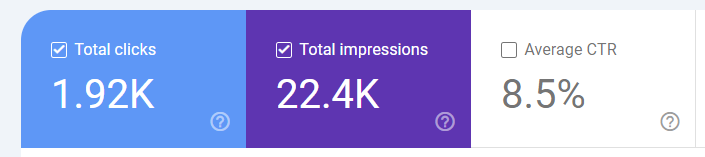
This measures the number of clicks your link or ad gets divided by the number of people who see it. A high click-through rate indicates that the sales copy is effective and visitors are converting.
Click-through-rate
User Engagement
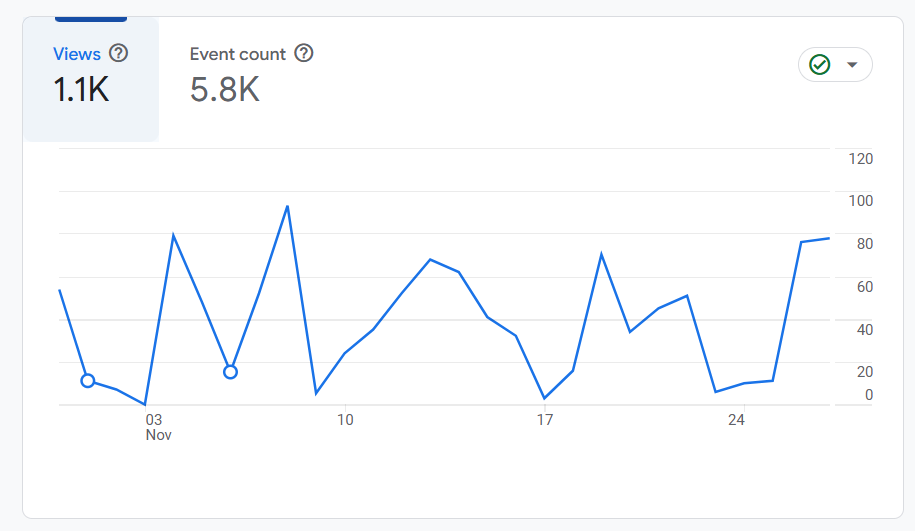
This metric includes the time per page, bounce rate, number of shares/likes and more. A higher user engagement indicates that the readers are happy and interested in the content. A higher bounce rate will tell about the quality of your work.
Brand awareness
This measures the overall perception and awareness of the brand. It includes metrics like social media mentions and can be tracked through surveys.
Asking the customers
You can ask your customers about your copywriting. Did the content stand out from the others and was the title eye-catching? Did the content make you feel connected to the brand? Was the content helpful to you and solved your problems? This will help you to accurately measure the copywriting performance.
Which is better for your business copywriting or content writing?
SEO Content writing and copywriting have different purposes and offer different outcomes. The type of content you need and the results you want will decide the type of services you need.
If you want to educate your target audience and want to build a relationship then you should opt for content writing. The content is long-form, informative and entertaining. The main aim of creating content is to rank higher in the search results and drive traffic. The content can lay the ground for future sales.
| Aspect | SEO Content Writing | SEO Copywriting | Source |
| Primary Objective | Inform and engage the audience by providing valuable information. | Persuade the audience to take specific actions, such as making a purchase or signing up for a service. | Surfer SEO |
| Content Length | Typically long-form content, often exceeding 500 words. | Generally short-form content, sometimes as brief as a single sentence. | Surfer SEO |
| Sales Funnel Stage | Targets audiences in the awareness and interest stages, focusing on building trust and brand loyalty. | Aims at audiences in the consideration and conversion stages, driving immediate actions. | Surfer SEO |
| Tone and Style | Informative and educational, emphasizing readability and value. | Persuasive and compelling, often employing emotional triggers and urgency. | Surfer SEO |
| SEO Focus | Heavily centered on SEO techniques, including keyword optimization and on-page SEO, to attract organic traffic. | May incorporate SEO elements but primarily focuses on conversion-driven content. | Ahrefs |
| Success Metrics | Measured by metrics such as traffic volume, engagement rates, and time spent on page. | Evaluated based on conversion rates, click-through rates, and direct response metrics. | Surfer SEO |
| Examples | Blog posts, case studies, white papers, e-books. | Emails, landing pages, social media ads, product descriptions. | Surfer |
If you want to persuade your target audience to purchase your products then you should go for copywriting. The content is benefit-focussed and persuasive and talks about how a product or service can solve the user's problems. The content can be delivered as a sales page, commercial, ad, tagline and more.
Conclusion
You should first understand whether your business needs content writing or copywriting depending on what you want to achieve. You can also benefit by creating equal parts of both.
SEO content writing can help improve your rankings and drive traffic whereas copywriting can help you persuade your user to make a purchase. You should measure your copywriting efforts to know how effective they are.
- Log in to post comments


 INDIA
INDIA